As the global community increasingly prioritizes sustainability and resilience, the construction industry is undergoing a significant transformation. Builders and architects are shifting from focusing primarily on HVAC systems for thermal comfort towards optimizing a building’s structure itself. This strategy, known as the envelope-first approach, is key to achieving superior energy efficiency, occupant comfort, and long-term sustainability. Innovative building systems like AltusGroup’s CarbonCast High Performance Insulated Wall Panels exemplify the approach.
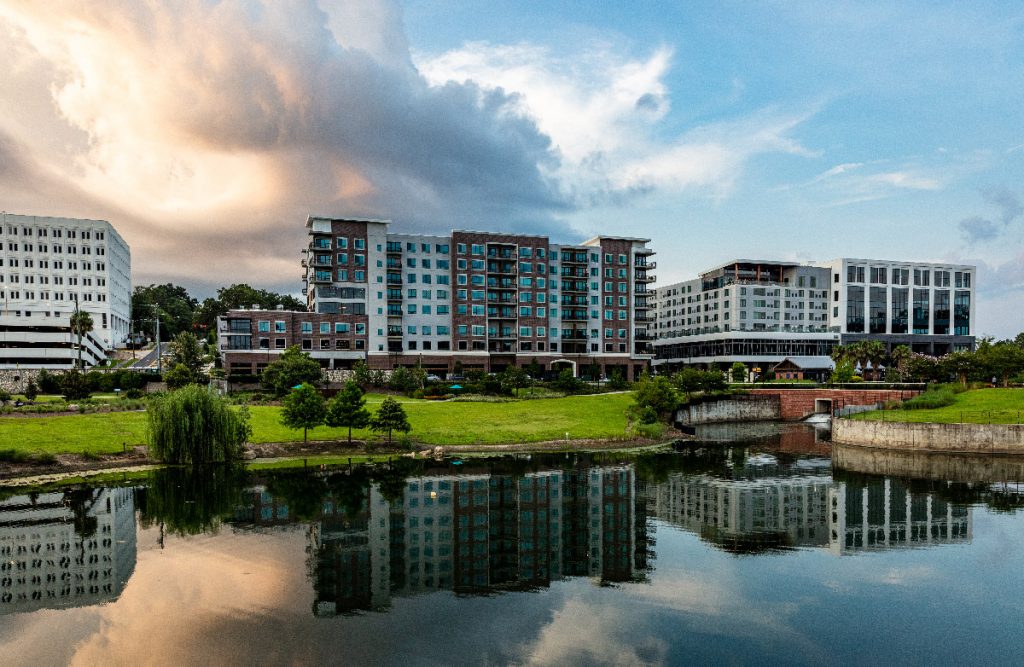
The Power of the Envelope-First Approach
The building envelope acts as the barrier between the interior and exterior environments. An envelope-first strategy prioritizes optimizing this barrier’s performance through high-quality materials and smart design. By reducing energy demand for heating and cooling from the outset, this approach minimizes the load on HVAC systems, leading to substantial energy savings and a significant reduction in a building’s operational carbon footprint. Beyond efficiency, a robust envelope enhances occupant comfort by maintaining stable indoor temperatures and improving acoustic insulation.
Aesthetics Meets Innovation: Designing with CarbonCast
Traditionally, choosing sustainable building materials often meant compromising on design freedom. CarbonCast High Performance Insulated Wall Panels eliminate this compromise. They enable architects to provide an ideal balance of high performance and aesthetic freedom.
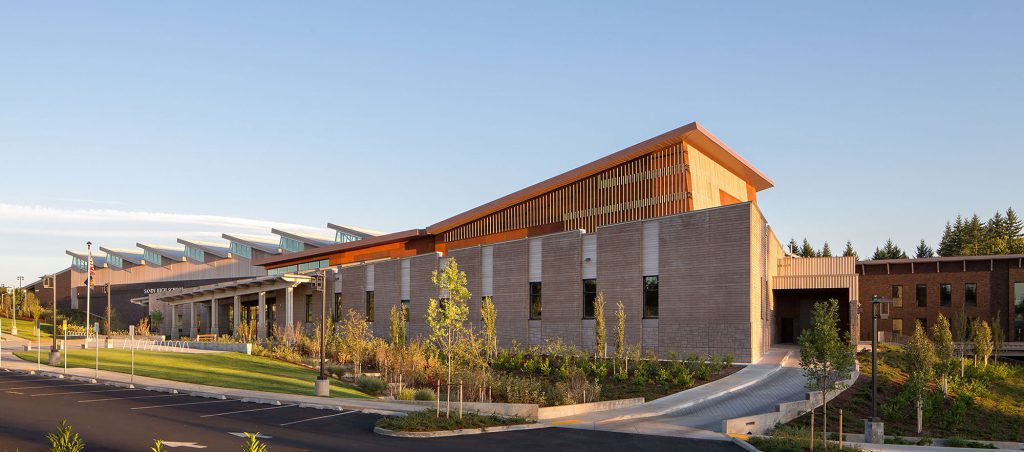
- Diverse Finishes: CarbonCast panels offer an extensive array of finishes and articulations. Architects can replicate the classic look of traditional materials like brick and stone, or achieve sleek, modern concrete facades, all with the speed and efficiency of prefabricated construction.
- Design Freedom: The panels support intricate designs and custom shapes, allowing for truly distinctive architecture that stands out without sacrificing thermal integrity.
- Integrated Solutions: CarbonCast integrates continuous insulation directly within the panel, eliminating the need for separate insulation and finish installations, simplifying the construction process, and ensuring consistent high performance.
Engineering Superior Energy Performance
CarbonCast’s true power lies in its unparalleled thermal performance. The secret is the combination of high-R-value insulation and the unique C-GRID carbon fiber shear trusses that connect the inner and outer concrete wythes. Unlike traditional metal connectors that create thermal bridges, C-GRID is thermally non-conductive. This breakthrough ensures:
- Exceptional R-Values: CarbonCast panels provide a continuous thermal barrier, achieving high R-values that meet or exceed energy codes.
- Reduced Energy Costs: By minimizing thermal bridging, CarbonCast significantly reduces the energy required to heat and cool a building, translating to long-term cost savings for owners.
- Enhanced Occupant Comfort: A superior thermal envelope prevents uncomfortable cold spots or drafts, creating a more stable and pleasant indoor environment.
Safety First: Non-Combustible Precast and Fire Safety
In addition to aesthetics and energy efficiency, fire safety is a paramount concern for any building project. CarbonCast panels provide an inherent level of protection that many other systems cannot match.
- Inherent Fire Resistance: Concrete is a non-combustible material that offers exceptional fire resistance and fire ratings.
- Robust and Resilient: CarbonCast’s construction creates a robust barrier that compartmentalizes fire, helping to contain its spread within a building.
- Peace of Mind: Using CarbonCast ensures compliance with the most rigorous fire safety standards, providing building owners and occupants with invaluable peace of mind.
A Sustainable and Resilient Future
The envelope-first approach, empowered by innovative technologies like CarbonCast High Performance Insulated Wall Panels, is the clear path forward for sustainable and resilient construction. CarbonCast successfully bridges the gap between high-performance energy efficiency, architectural expression, and uncompromising safety. By investing in the building’s envelope from the start, we are not just building smarter structures; we are building a more sustainable future.